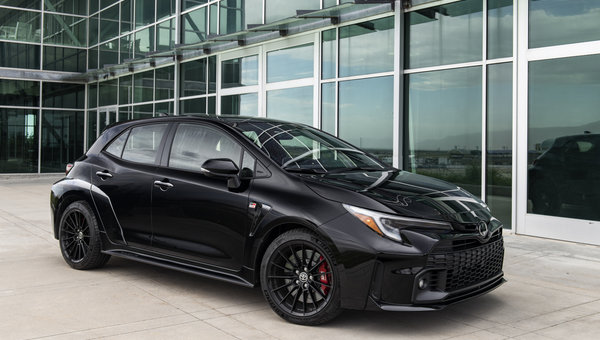
4 Things to Inspect on Your 2026 Toyota Before a Long Summer Drive
July 17 2026,

A long summer drive through Quebec is one of the season’s best pleasures. But the same heat and humidity that make the season great can quietly stress your vehicle in ways that only show up once you’re far from home.
The good news is that a focused look at four areas before you leave catches most problems early, when they’re still simple to fix.
Why Summer Heat Raises the Stakes on Long Drives
Shorter trips forgive a lot. Low coolant, worn brake pads, or a tire that’s slightly under-inflated may not cause trouble on a 20-minute commute. A multi-hour highway run in summer heat is a different situation. Sustained speeds and high ambient temperatures keep your engine, brakes, and tires working continuously without the cooldown breaks that city driving naturally provides.
Quebec summers add humidity to that equation, which affects how fluids age and how rubber components hold up. Catching a small issue at home is far less disruptive than dealing with it on the road.
The Four Areas Worth Checking
These four systems carry most of the risk on a hot-weather long drive. None of them require special tools to inspect visually, though a technician can go deeper on each.
Tires
Tire pressure shifts with temperature: as the air heats up, pressure rises. A tire that reads correctly in your cool garage may be outside its recommended range after an hour on a sun-warmed highway. Check the vehicle’s door placard for the correct pressure, inflate to that figure, and do it before the drive rather than after the tires have already warmed up.
While you’re checking pressure, look at the tread surface and sidewalls. Visible cracking, bulges, or embedded objects like nails deserve attention before a long trip, not after. A slow leak on a city street is manageable; a tire problem at highway speed in summer heat is a different situation entirely.
Cooling System
Your engine produces a significant amount of heat at highway speeds. The cooling system’s job is to keep that heat from becoming damaging, and it works hardest on exactly the kind of sustained, high-speed driving that summer road trips involve.
Check the coolant reservoir level when the engine is cold. If it’s low, that’s worth addressing before you leave. While you’re looking, inspect the visible hoses for soft spots, cracks, or any staining around fittings that might point to a slow leak. A compromised hose that holds up around town may not hold up for five hours on the road.
It’s also worth checking that the front of the vehicle, where the radiator sits, is clear of debris. Road bugs, leaves, and other material that accumulates there can reduce airflow and make the cooling system work harder than it needs to.
Brakes
Brake pads and rotors wear gradually, and it’s easy to lose track of where they’re at if you haven’t had them inspected recently. Summer road trips often involve mountain passes, descents, and unfamiliar roads where you may brake harder than usual. Pads that have enough life left for routine city driving may not give you the margin you want on a long summer trip.
Brake fluid is worth a look as well. It absorbs moisture over time, which lowers its boiling point. On a long descent with repeated braking in summer heat, fluid that has degraded can become less effective. This is one area where a technician’s inspection adds real value, since fluid condition isn’t something you can assess just by looking at the reservoir level.
Visually inspect the brake lines and hoses for any sign of corrosion or leaking where you can see them. If anything looks off, have it checked before the trip.
Fluids and Filters
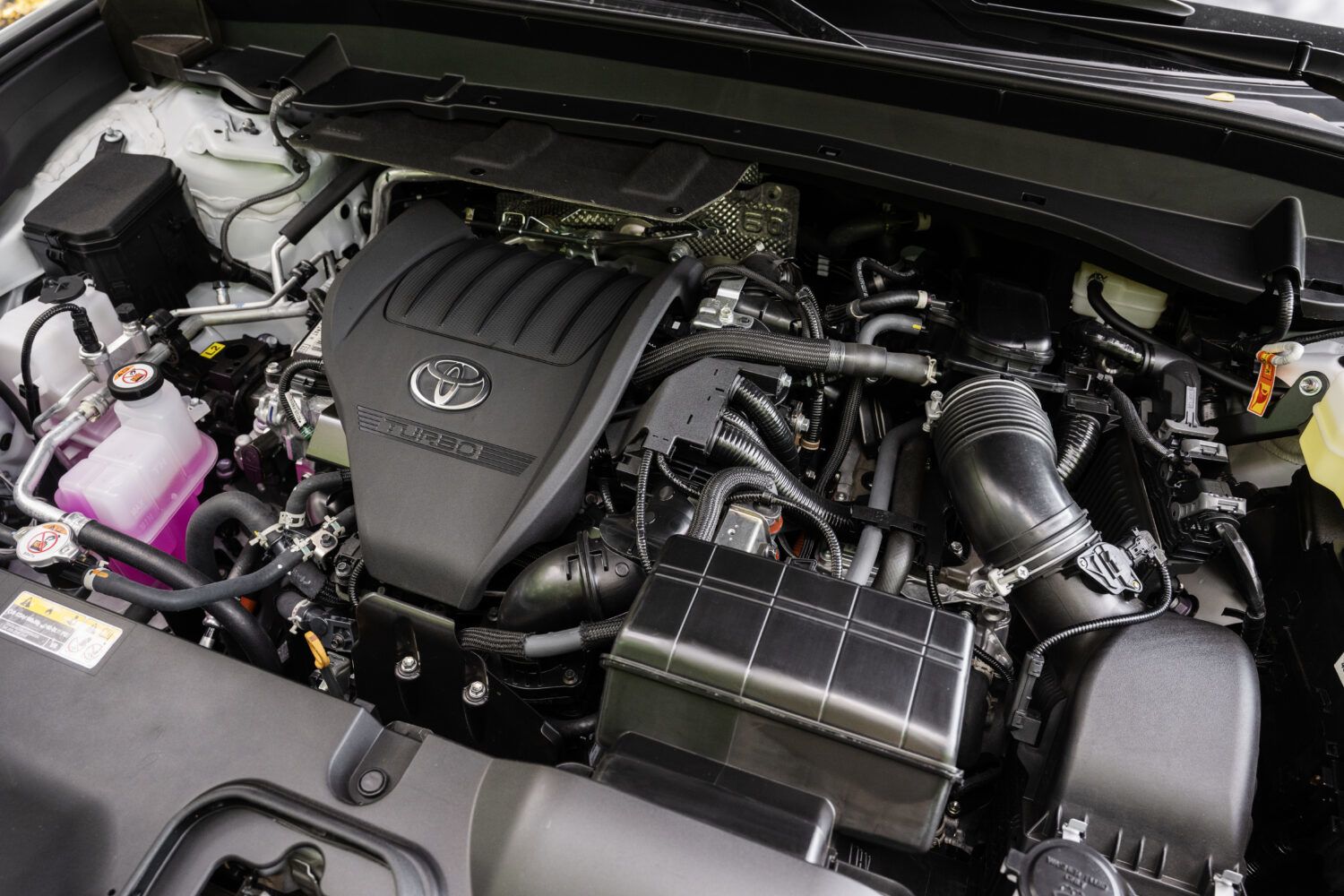
Engine oil is the most familiar check, but it’s worth doing carefully before a long drive. Heat accelerates oil degradation, and oil that’s near the end of its service life will protect your engine less effectively over a hot summer highway run. Check the level and, if you’re close to your service interval, consider getting the oil and filter changed before you leave rather than after.
Transmission fluid and power steering fluid are easy to overlook because they rarely cause obvious problems until something goes wrong. A quick visual check of both reservoirs takes minutes and tells you whether either is low.
The cabin air filter and engine air filter are worth mentioning here too. A clogged cabin filter makes your air conditioning work harder and reduces airflow on a hot day. A dirty engine air filter affects combustion and can reduce efficiency, which is more noticeable on a long drive than a short one.
Who Gets the Most Value from a Pre-Trip Inspection
If your vehicle is due for its maintenance service, a pre-trip timing makes a lot of sense. Toyota recommends maintenance every 6 months or 8,000 km, whichever comes first. That interval is set to catch exactly the kind of wear and fluid degradation that shows up on high-demand summer driving.
Drivers who do more highway kilometres than city kilometres, or who have been running the vehicle harder in warmer months, may find their service needs arrive earlier than the calendar suggests. A technician can review your driving conditions and tell you whether any additional services are worth doing before a long trip.
Families loading a vehicle with passengers and luggage for a summer vacation are also good candidates for a full inspection. Added weight changes how your brakes and tires perform, and verifying that everything is in good shape before adding that load is a reasonable step.
Before You Head Out
Toyota’s maintenance schedule, the technician training behind it, and the inspections it covers exist precisely for situations like a summer road trip. The recommended 6-month or 8,000 km interval is Toyota’s own guidance on how often a vehicle needs attention to keep running safely under real driving conditions.
Visit Toyota Gatineau in Gatineau to schedule a pre-trip inspection before your next summer drive. The service team can work through all four areas covered here and flag anything else worth addressing before you leave.