Understanding Toyota Safety Sense 4.0 in the 2026 RAV4
January 21 2026,
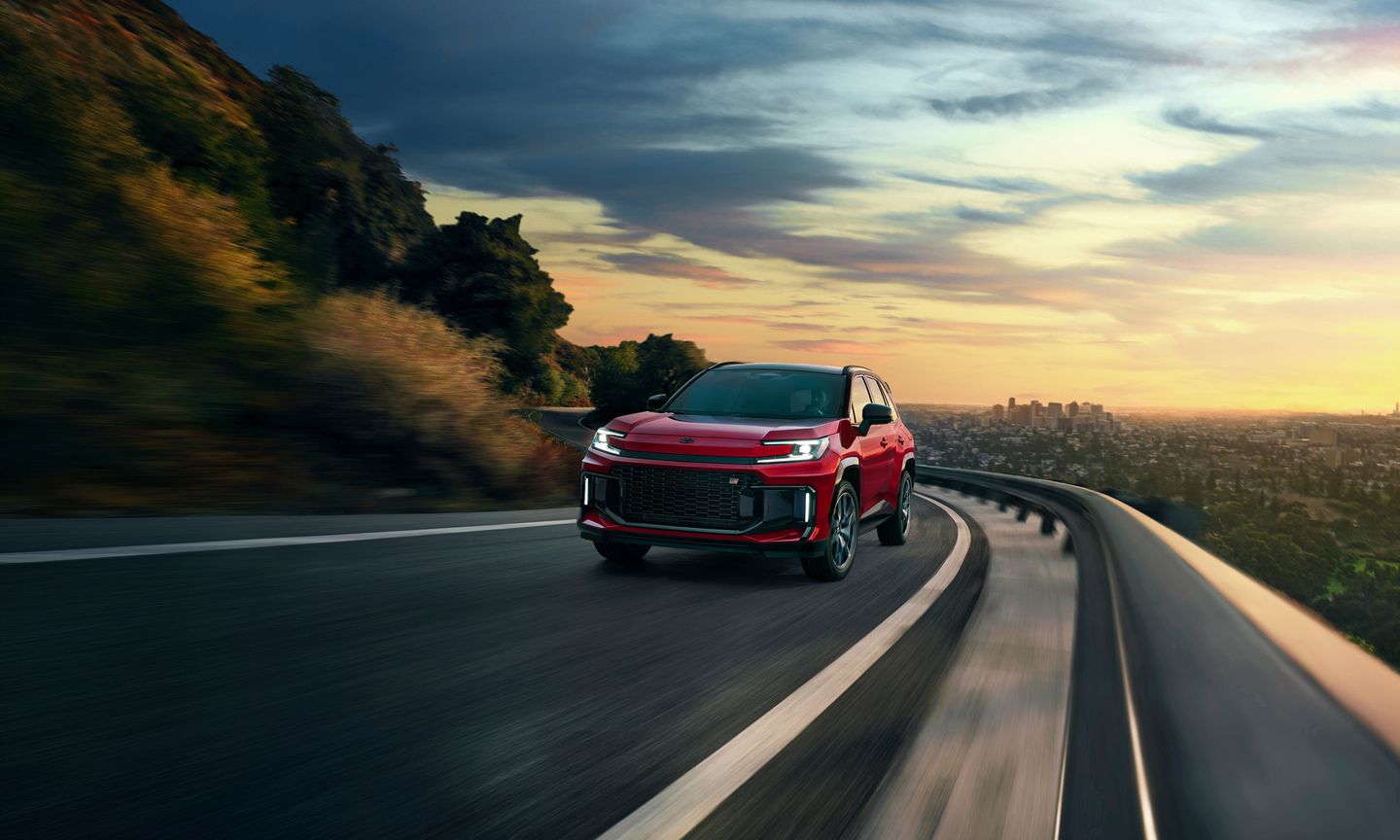
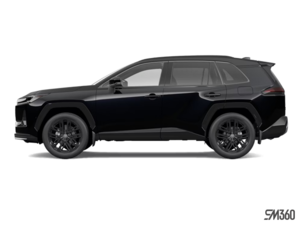
The 2026 Toyota RAV4 introduces Toyota Safety Sense 4.0, the latest generation of Toyota's active safety suite for Canadian drivers. This system debuts exclusively on the RAV4, bringing enhanced detection capabilities and updated features designed to support safer driving across Quebec and beyond.
Built on Toyota's new Arene software development platform created by Woven by Toyota, TSS 4.0 integrates with the RAV4's redesigned architecture. The system works alongside standard features like Blind Spot Monitor with Rear Cross-Traffic Alert to create multiple layers of driver assistance.
What Makes TSS 4.0 Different
Toyota Safety Sense 4.0 builds on previous generations with upgraded hardware and improved detection algorithms. The system uses enhanced sensors and processing power to recognize a wider range of road scenarios, helping drivers respond more effectively to changing conditions.
The Arene platform enables Toyota to deliver more sophisticated safety features through improved software capabilities. This approach allows for better integration between individual safety systems, creating a more cohesive driver assistance experience. The platform also establishes groundwork for future feature enhancements as Toyota continues developing software-defined vehicle technologies.
Pre-Collision System Enhancements
The Pre-Collision System with Pedestrian and Bicyclist Detection receives notable improvements in TSS 4.0. Enhanced detection capabilities help the system identify potential collision risks earlier and with greater accuracy. The system monitors the road ahead using camera and radar sensors, scanning for vehicles, pedestrians, and bicyclists.
When the system detects a potential frontal collision, it provides visual and audible warnings to alert the driver. If the driver doesn't respond, the system can apply automatic emergency braking to help reduce impact speed or avoid collision entirely. System effectiveness depends on factors including speed, weather conditions, lighting, and road surface quality.
Key detection improvements include enhanced recognition of pedestrians and bicyclists in various lighting conditions, improved ability to detect multiple objects simultaneously, better performance in complex traffic scenarios, and advanced processing for faster threat assessment.
Dynamic Radar Cruise Control Updates
Dynamic Radar Cruise Control in TSS 4.0 includes Full-Speed Range capability, allowing the system to function from standstill to highway speeds. Enhanced vehicle detection allows the system to recognize more than one preceding vehicle and monitor vehicles in adjacent lanes. This capability enables smoother, more natural speed adjustments, particularly during lane changes when the system must account for new traffic patterns ahead.
The cruise control integrates with Lane Tracing Assist to provide coordinated steering and speed management. When both systems are active, the RAV4 can maintain its lane position while automatically adjusting speed to match traffic flow, reducing driver workload during highway driving.
Lane Tracing Assist
Lane Tracing Assist requires Dynamic Radar Cruise Control to be enabled and detectable lane markings to function. The system uses enhanced lane recognition technology that includes detection of certain three-dimensional objects like guardrails, which help define lane boundaries when traditional markings are unclear or absent.
Beyond basic lane centering, Lane Tracing Assist now helps provide additional space between the RAV4 and vehicles being passed in adjacent lanes. The system achieves this through minor steering adjustments that offset the vehicle's driving path while keeping it safely within its lane.
Road Sign Assist and Automatic High Beams
Road Sign Assist uses the forward-facing camera to recognize specific road signs and display relevant information on the Multi-Information Display. The system detects speed limit signs, stop signs, Do Not Enter signs, yield signs, and certain warning signs, helping drivers stay informed about current road regulations.
Automatic High Beams work to optimize visibility during night driving. The system detects headlights of oncoming vehicles and taillights of preceding vehicles, automatically toggling between high and low beams as appropriate. Effectiveness can be limited by factors such as dirty windshields, variable weather, lighting conditions, and hilly terrain.
How TSS 4.0 Integrates with Other Safety Features

|
Safety Feature |
Primary Function |
Works With |
|
Pre-Collision System |
Forward collision detection and automatic braking |
All TSS 4.0 features |
|
Dynamic Radar Cruise Control |
Adaptive speed control with vehicle-to-vehicle distance management |
Lane Tracing Assist, Road Sign Assist |
|
Lane Tracing Assist |
Lane centering support |
Dynamic Radar Cruise Control |
|
Road Sign Assist |
Traffic sign recognition and display |
Multi-Information Display |
Beyond TSS 4.0, the RAV4 includes Blind Spot Monitor, which uses rear side radar sensors to detect vehicles approaching or positioned in adjacent lanes. Rear Cross-Traffic Alert uses the same sensors to help detect vehicles approaching from either side while backing out, providing visual and audible warnings to support safer reversing manoeuvres.
Understanding System Limitations
While TSS 4.0 offers advanced driver assistance technology, it's essential to understand that these systems support - not replace - attentive driving. Pre-Collision System effectiveness depends on many factors including speed, size and position of pedestrians and bicyclists, driver input, and weather, light, and road conditions.
Lane Departure Alert with Steering Assist requires visible lane markers under certain conditions. The system is not a collision-avoidance system and cannot prevent all lane departures. Similarly, Dynamic Radar Cruise Control is designed to assist the driver but is not a substitute for safe driving practices.
Drivers should always remain alert and ready to take control. These systems are designed to provide additional layers of safety support, but they cannot anticipate every road scenario or overcome the laws of physics in emergency situations.
The Arene Platform Advantage
The Arene software development platform serves as the foundation for Toyota's most advanced safety, security, and connectivity technologies. This platform enables more sophisticated integration between safety systems, allowing them to share data and coordinate responses more effectively than previous generations.
For Canadian drivers, this means safety systems that work together more cohesively. When multiple systems activate simultaneously - such as Pre-Collision System detecting a threat while Lane Tracing Assist maintains lane position - the Arene platform helps coordinate their responses for smoother, more predictable vehicle behaviour.
The platform also positions the RAV4 for potential future enhancements as Toyota continues developing new safety capabilities and refining existing features through software updates.
Experience TSS 4.0 at Toyota Gatineau
The 2026 Toyota RAV4 brings Toyota Safety Sense 4.0 to Canadian roads, offering drivers in Quebec access to Toyota's latest active safety technology. From enhanced Pre-Collision System detection to improved lane recognition, TSS 4.0 delivers a comprehensive approach to driver assistance.
These technologies work best when drivers understand their capabilities and limitations. Our team at Toyota Gatineau can provide detailed demonstrations of TSS 4.0 features, helping you understand how each system operates and when to rely on them. Contact our team to learn more about the 2026 RAV4 and explore Toyota Safety Sense 4.0.